
 By
By Exercise is a cornerstone of human health, influencing every aspect of physical, mental, and emotional well-being. Beyond aesthetic goals, regular physical activity improves cardiovascular function, enhances musculoskeletal strength, boosts metabolic efficiency, and supports cognitive performance. In the United States, public health guidelines consistently emphasize exercise as a key preventive strategy for chronic diseases, mental health disorders, and overall longevity. Understanding the science, mechanisms, and structured approaches behind exercise can empower individuals to achieve optimal health outcomes.
Exercise is not a one-size-fits-all practice. It encompasses diverse modalities including aerobic training, resistance exercises, flexibility routines, and balance-focused activities. Each type of exercise targets specific physiological systems, producing unique adaptations. Integrating these modalities into a structured program ensures comprehensive fitness and maximizes health benefits.
The Science of Exercise
Exercise induces both acute and chronic physiological responses. Acute responses include elevated heart rate, increased oxygen uptake, and enhanced energy expenditure. Chronic adaptations result from consistent practice, including improved cardiovascular efficiency, enhanced muscular strength, and metabolic optimization.
Energy Systems and Exercise
The body relies on three primary energy systems to fuel activity:
- ATP-PC System (Phosphagen System): Provides immediate energy for high-intensity, short-duration exercises like sprinting or heavy lifting.
- Glycolytic System: Breaks down glucose to generate ATP during moderate-duration efforts lasting 30 seconds to 2 minutes.
- Oxidative System: Uses oxygen to produce energy for prolonged, low-to-moderate intensity activity such as jogging or cycling.
Understanding these systems helps design exercise programs that target specific performance and fitness outcomes.
Muscle Fiber Adaptations
Muscle fibers respond differently to exercise stimuli:
- Type I Fibers (Slow-Twitch): Adapted for endurance activities; enhanced mitochondrial density and capillary networks improve aerobic capacity.
- Type II Fibers (Fast-Twitch): Designed for explosive movements; strength and hypertrophy training increase contractile proteins and neuromuscular efficiency.
Tailoring exercise to target both fiber types optimizes both strength and endurance capabilities.
Types of Exercise
Structured exercise can be categorized into several principal types, each with evidence-backed health benefits:
Aerobic Exercise
Aerobic activities elevate heart rate and respiratory function, improving cardiovascular endurance. Examples include running, cycling, swimming, and brisk walking. Benefits include:
- Improved heart and lung efficiency
- Reduced risk of coronary artery disease, hypertension, and stroke
- Enhanced metabolic health, including insulin sensitivity
- Mental health improvements via endorphin release and reduced anxiety
Resistance Training
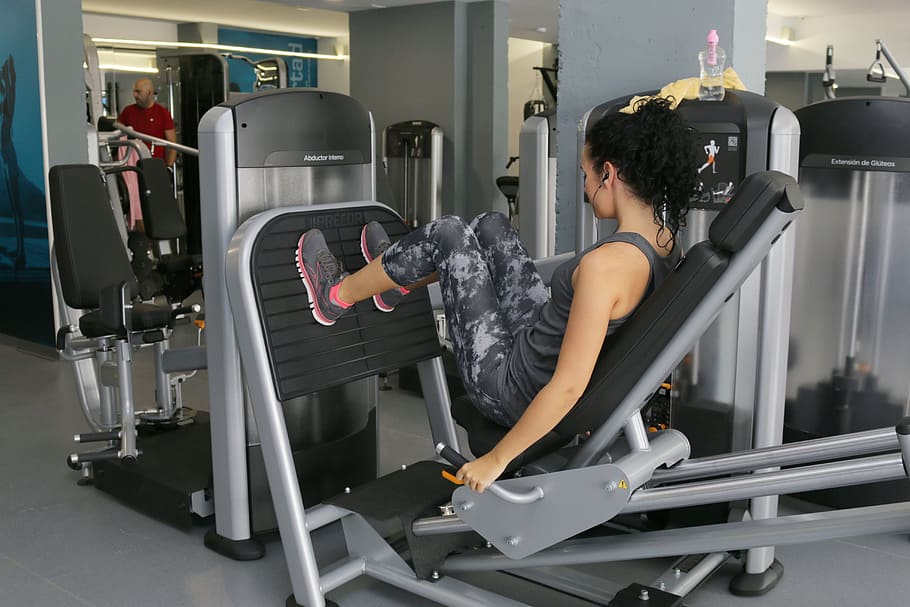
Also known as strength or weight training, resistance exercises involve muscular contraction against external resistance. Modalities include free weights, resistance bands, and bodyweight exercises. Evidence-backed benefits include:
- Increased muscle mass and strength
- Improved bone density, reducing osteoporosis risk
- Enhanced functional capacity and mobility in daily life
- Metabolic benefits, including increased resting energy expenditure
Flexibility and Mobility Exercises
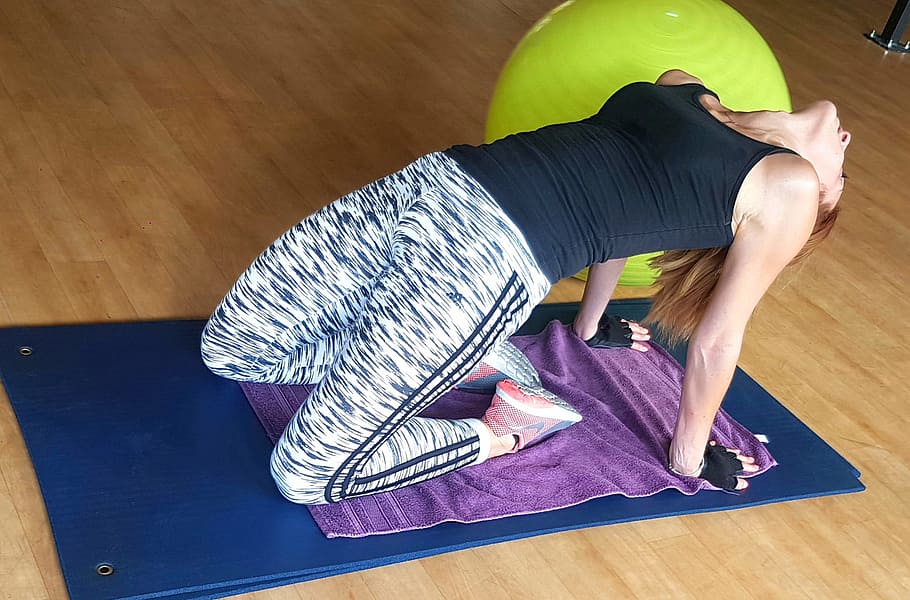
Flexibility and mobility work improves joint range of motion and tissue elasticity. Practices include stretching, yoga, and dynamic mobility drills. Benefits include:
- Reduced risk of musculoskeletal injury
- Improved posture and functional movement patterns
- Enhanced recovery and performance in athletic endeavors
Balance and Coordination Training
Balance exercises improve neuromuscular control and stability. Tools such as balance boards, single-leg drills, and proprioceptive training are effective. Benefits include:
- Reduced fall risk in older adults
- Enhanced agility and athletic performance
- Improved postural control and functional independence
Exercise and Health Benefits
Scientific research consistently demonstrates that regular exercise produces profound health outcomes across multiple domains.
Cardiovascular Health
Exercise improves heart function, reduces blood pressure, and optimizes lipid profiles. Regular aerobic activity enhances endothelial function and reduces systemic inflammation, lowering cardiovascular disease risk.
Metabolic Health
Physical activity plays a pivotal role in glucose regulation, insulin sensitivity, and weight management. Resistance training increases muscle mass, which serves as a glucose sink, while aerobic activity enhances fat oxidation. These adaptations reduce the risk of type 2 diabetes and metabolic syndrome.
Musculoskeletal Health
Exercise strengthens bones, muscles, and connective tissues. Resistance and weight-bearing activities stimulate osteoblast activity, enhancing bone mineral density and reducing fracture risk. Combined with balance and flexibility training, exercise preserves functional independence across the lifespan.
Mental Health and Cognitive Function
Exercise exerts antidepressant and anxiolytic effects through neurochemical modulation, including the release of endorphins, serotonin, and brain-derived neurotrophic factor (BDNF). Regular physical activity is associated with improved memory, executive function, and reduced risk of neurodegenerative diseases such as Alzheimer’s.
Immune System Support
Moderate-intensity exercise enhances immune surveillance by increasing circulation of immune cells, improving pathogen detection and response. Long-term, consistent activity is associated with reduced incidence of infections and improved vaccine responsiveness.
Designing an Effective Exercise Program
Optimal exercise programs balance frequency, intensity, time, and type (FITT principle):
- Frequency: Number of sessions per week, varying by modality and fitness goals.
- Intensity: Measured by heart rate, perceived exertion, or resistance load.
- Time: Duration of each session, adapted to fitness level and objectives.
- Type: Selection of aerobic, resistance, flexibility, or balance activities.
Progressive Overload
To achieve continuous adaptation, exercise intensity, volume, or complexity should gradually increase. Progressive overload ensures muscular, cardiovascular, and neuromuscular systems are continually challenged without risking injury.
Periodization
Structured variation in training variables over time, known as periodization, prevents plateaus, reduces overtraining risk, and optimizes performance. This approach is essential for athletes and serious fitness enthusiasts seeking measurable progress.
Special Considerations
Exercise programs must account for individual factors including age, medical conditions, injury history, and fitness goals. Key considerations include:
- Older Adults: Emphasize balance, flexibility, and resistance training to preserve functional independence and prevent falls.
- Individuals with Chronic Conditions: Programs should be tailored to accommodate cardiovascular, musculoskeletal, or metabolic limitations, often with professional supervision.
- Pregnancy: Exercise supports maternal health and fetal development when performed with obstetric guidance, focusing on low-impact aerobic and resistance training.
Exercise and Lifestyle Integration
Incorporating exercise into daily routines enhances adherence and long-term benefits. Strategies include:
- Active commuting such as walking or cycling
- Incorporating short bouts of high-intensity interval training (HIIT) into busy schedules
- Using technology, such as fitness trackers and mobile apps, for motivation and monitoring
- Engaging in group activities for social support and accountability
Frequently Asked Questions About Exercise
1. How much exercise is recommended for adults?
Public health guidelines suggest at least 150 minutes of moderate-intensity or 75 minutes of vigorous-intensity aerobic exercise per week, supplemented with two or more days of resistance training.
2. Can exercise help with weight management?
Yes, combining aerobic and resistance exercise increases caloric expenditure, enhances muscle mass, and improves metabolic rate, supporting sustainable weight management.
3. Is exercise safe for people with chronic illnesses?
With medical clearance and tailored programming, exercise is safe and beneficial for most chronic conditions, including diabetes, heart disease, and arthritis.
4. How soon will I see results from exercise?
Initial physiological adaptations, such as improved mood and energy levels, may occur within 1–2 weeks. Visible changes in muscle tone or weight typically appear after 6–8 weeks of consistent training.
5. Can high-intensity exercise be harmful?
Excessive high-intensity training without adequate recovery can lead to overtraining, injury, or cardiovascular stress. Balanced programming and proper periodization mitigate these risks.
6. Are supplements necessary for exercise performance?
Supplements may support nutrition and recovery but are not required for most individuals. Adequate diet, hydration, and sleep remain the most critical factors for performance and adaptation.
7. How does exercise influence mental health?
Exercise enhances neurotransmitter activity, reduces cortisol, and promotes neuroplasticity, improving mood, reducing anxiety, and supporting cognitive function.
Conclusion
Exercise is a multidimensional tool for promoting health, preventing disease, and enhancing quality of life. Its benefits extend far beyond aesthetic or fitness goals, impacting cardiovascular health, metabolic function, musculoskeletal integrity, cognitive performance, and emotional well-being.
By understanding the science of exercise, integrating various modalities, and designing structured, evidence-based programs, individuals can optimize outcomes while minimizing risk. Consistency, progressive adaptation, and lifestyle integration are key to achieving long-term benefits. Whether for disease prevention, performance enhancement, or mental wellness, exercise remains an essential, scientifically validated component of a healthy, fulfilling life.