
 By
By Fitness is a multifaceted concept encompassing physical strength, endurance, flexibility, and overall well-being. In the United States, the importance of maintaining fitness has grown beyond aesthetic appeal, emphasizing disease prevention, mental health, functional capacity, and longevity. Achieving optimal fitness requires a structured approach that integrates exercise, nutrition, recovery, and lifestyle management. Understanding the science behind fitness and adopting evidence-backed strategies ensures sustainable progress and long-term health benefits.
Fitness is more than simply exercising or losing weight; it involves cultivating the body’s strength, cardiovascular endurance, metabolic efficiency, musculoskeletal resilience, and cognitive function. By combining diverse training modalities and monitoring physiological responses, individuals can tailor their fitness programs to meet personal goals, prevent injury, and maximize performance.
The Science of Fitness
Fitness is grounded in physiological adaptations that occur in response to regular, structured physical activity. These adaptations span multiple systems, including cardiovascular, musculoskeletal, metabolic, and neurological networks.
Cardiovascular Adaptations
Regular aerobic activity strengthens the heart, increases stroke volume, and improves vascular elasticity. Enhanced cardiac output and oxygen delivery improve endurance and reduce the risk of cardiovascular diseases, hypertension, and stroke.
Musculoskeletal Adaptations
Resistance training stimulates muscle hypertrophy, strengthens tendons and ligaments, and increases bone mineral density. These adaptations support functional independence, reduce injury risk, and optimize athletic performance.
Metabolic Adaptations
Fitness training enhances metabolic flexibility, the body’s ability to switch efficiently between carbohydrate and fat oxidation. Increased mitochondrial density, improved insulin sensitivity, and elevated resting energy expenditure are key metabolic benefits.
Neurological Adaptations
Regular exercise promotes neuroplasticity, motor unit recruitment, and coordination. Balance and proprioceptive training enhance neuromuscular efficiency, improving functional performance and reducing fall risk.
Components of Fitness
Fitness is typically divided into several interrelated components, each contributing to overall health and performance.
Cardiovascular Endurance
Cardiovascular endurance refers to the efficiency of the heart, lungs, and blood vessels in delivering oxygen during sustained physical activity. Evidence-based methods to improve cardiovascular endurance include:
- Continuous Training: Steady-state activities such as running, cycling, or swimming performed at moderate intensity.
- Interval Training: Alternating high-intensity efforts with recovery periods to maximize oxygen uptake and aerobic capacity.
- Circuit Training: Combining aerobic and resistance exercises in sequences to elevate heart rate and promote endurance.
Muscular Strength and Power
Muscular strength is the maximum force a muscle can generate, while power combines strength and speed. Enhancing muscular strength and power involves:
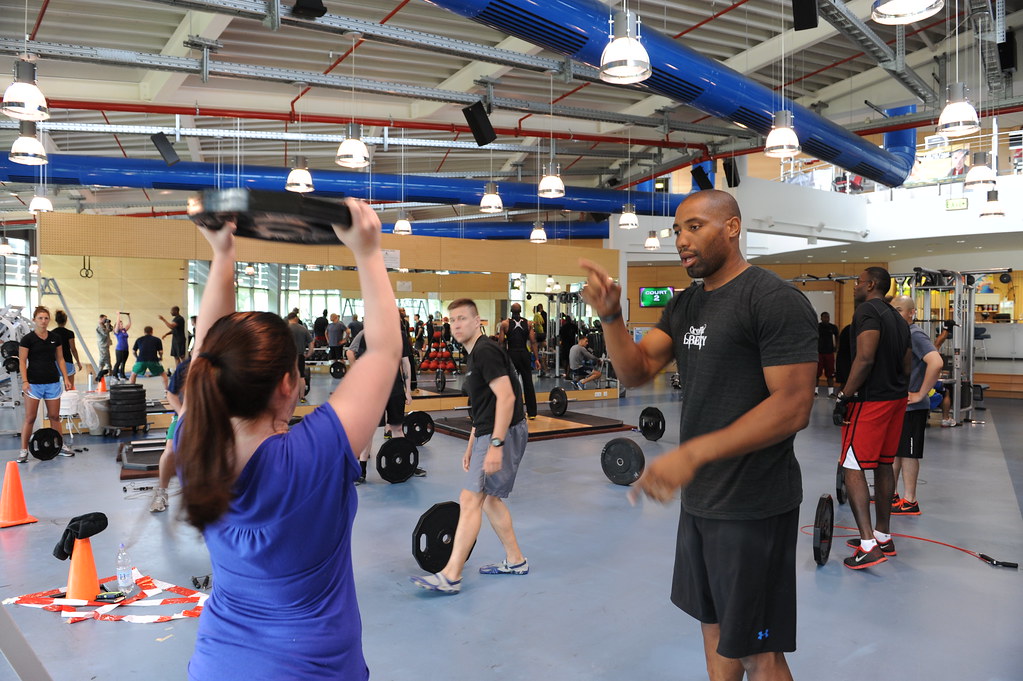
- Resistance Training: Free weights, machines, and resistance bands stimulate hypertrophy and neuromuscular efficiency.
- Olympic Lifts and Plyometrics: Explosive movements improve power output, coordination, and athletic performance.
- Progressive Overload: Gradually increasing resistance or intensity ensures continuous muscular adaptation.
Muscular Endurance
Muscular endurance refers to the ability of a muscle or group of muscles to sustain repeated contractions over time. Techniques to develop endurance include:
- High-Rep Resistance Training: Moderate weights with increased repetitions enhance muscular stamina.
- Bodyweight Exercises: Push-ups, squats, and planks improve endurance with minimal equipment.
- Functional Training: Movements replicating daily or sport-specific tasks enhance practical endurance.
Flexibility and Mobility
Flexibility and joint mobility support full range of motion, reduce injury risk, and enhance functional performance. Practices include:
- Static Stretching: Holding positions to lengthen muscles and connective tissue.
- Dynamic Stretching: Controlled movement-based stretches improve joint mobility before activity.
- Yoga and Pilates: Integrate flexibility, core stability, and balance training in a structured manner.
Body Composition
Optimal body composition, the ratio of lean mass to fat mass, is a marker of fitness and health. Resistance training, aerobic exercise, and nutrition strategies influence body composition. Lean mass supports metabolic function, bone density, and physical performance, while excess adiposity is linked to metabolic and cardiovascular risks.
Balance and Coordination
Balance and coordination are essential for athletic performance and injury prevention. Training methods include:
- Proprioceptive Drills: Single-leg exercises on unstable surfaces enhance neuromuscular control.
- Agility Ladders and Cone Drills: Improve footwork, reaction time, and body control.
- Core Stability Training: Strengthening the abdominal and spinal muscles supports balance and posture.
Health Benefits of Fitness
Fitness provides extensive physiological, psychological, and functional benefits, backed by research and clinical evidence.
Cardiovascular and Metabolic Health
Regular fitness activity reduces the risk of coronary artery disease, stroke, type 2 diabetes, and obesity. Improvements in blood pressure, lipid profiles, and glucose regulation are observed with consistent training.
Musculoskeletal Health
Weight-bearing and resistance exercises strengthen bones, prevent osteoporosis, and enhance joint integrity. Muscle strength preserves functional independence, supports posture, and reduces fall risk in older adults.
Mental Health
Exercise stimulates endorphin release, reduces cortisol, and promotes neurochemical balance. Fitness routines have been shown to alleviate anxiety, depression, and stress while improving sleep quality and cognitive function.
Longevity and Quality of Life
Consistent fitness engagement is associated with increased lifespan, reduced incidence of chronic diseases, and improved quality of life. Functional capacity, mobility, and independence are preserved, particularly in aging populations.
Immune Function
Moderate, regular fitness activity enhances immune surveillance, reduces systemic inflammation, and improves vaccine responsiveness. Overtraining, however, can suppress immune function, highlighting the importance of recovery.
Structuring an Effective Fitness Program
A comprehensive fitness program integrates multiple components to achieve balanced outcomes:
Frequency, Intensity, Time, and Type (FITT Principle)
- Frequency: Number of exercise sessions per week, adjusted by goal and fitness level.
- Intensity: Measured by heart rate, perceived exertion, or resistance load.
- Time: Duration of each session, tailored to modality and objective.
- Type: Selection of aerobic, resistance, flexibility, or balance exercises based on goals.
Progressive Overload and Adaptation
Gradually increasing volume, intensity, or complexity ensures continued adaptation. Monitoring recovery and performance metrics prevents plateaus and reduces injury risk.
Periodization
Structured variation in training variables over time optimizes performance and recovery. Periodization is essential for athletes and serious trainees seeking measurable results and injury prevention.
Recovery and Nutrition
Recovery strategies, including sleep, hydration, and proper nutrition, are critical for maximizing fitness gains. Protein intake, carbohydrate availability, and micronutrient sufficiency support muscle repair, energy replenishment, and overall adaptation.
Special Considerations
Fitness programs must account for individual factors:
- Older Adults: Emphasize resistance, balance, and flexibility to maintain independence and prevent falls.
- Chronic Conditions: Tailored programs accommodate cardiovascular, metabolic, or musculoskeletal limitations.
- Pregnancy: Low-impact aerobic activity and core stability exercises support maternal and fetal health under professional guidance.
- Youth and Adolescents: Age-appropriate fitness builds motor skills, bone density, and healthy lifestyle habits.
Integrating Fitness into Daily Life
Consistency is a major predictor of long-term fitness success. Strategies include:
- Using active commuting such as walking or cycling.
- Incorporating short bouts of high-intensity interval training (HIIT) into daily schedules.
- Leveraging technology like fitness trackers, apps, and virtual coaching for accountability.
- Engaging in group fitness or team sports for motivation and social support.
Frequently Asked Questions About Fitness
1. How much exercise should adults perform each week?
Public health guidelines recommend 150 minutes of moderate-intensity or 75 minutes of vigorous-intensity aerobic activity weekly, supplemented with two or more resistance training sessions.
2. Can fitness improve mental health?
Yes, consistent fitness routines reduce anxiety, depression, and stress while enhancing cognitive function and overall mood through neurochemical modulation.
3. Is resistance training important for everyone?
Resistance training is essential for preserving muscle mass, metabolic function, and bone density across all ages. Even moderate bodyweight exercises provide significant benefits.
4. How soon can I see fitness results?
Physiological adaptations such as improved endurance and mood may occur within 1–2 weeks. Visible changes in muscle definition or body composition typically appear after 6–8 weeks of consistent training.
5. Can high-intensity workouts be harmful?
Excessive high-intensity training without proper recovery can lead to overtraining, injury, or immune suppression. Structured programming and periodization reduce these risks.
6. What role does nutrition play in fitness?
Nutrition fuels workouts, supports recovery, and influences body composition. Balanced macronutrient intake and micronutrient sufficiency are critical for maximizing performance and adaptation.
7. Is it ever too late to start a fitness program?
It is never too late. Age-appropriate, tailored programs yield significant health benefits, including improved mobility, cardiovascular function, and quality of life.
Conclusion
Fitness is a multidimensional pursuit that enhances physical capacity, mental health, metabolic function, and overall quality of life. Evidence-based practices integrating cardiovascular, resistance, flexibility, and balance training, combined with structured recovery and nutrition strategies, ensure sustainable progress.
By understanding the science of fitness, designing structured programs, and committing to consistency, individuals can optimize performance, prevent disease, and maintain long-term health. Fitness is not solely about appearance; it is a foundational component of functional independence, cognitive resilience, and lifelong well-being.