
 By
By Acupressure, a traditional healing technique with roots in ancient Chinese medicine, has gained significant attention in the United States for its holistic approach to wellness. By applying pressure to specific points on the body, acupressure aims to stimulate the body’s natural healing mechanisms, relieve stress, improve circulation, and restore energy balance. Unlike invasive treatments, acupressure is non-invasive, drug-free, and can complement modern medical therapies effectively.
Acupressure works on the principle that the body has energy pathways, known as meridians, through which vital energy, or “Qi,” flows. Blockages or imbalances in this energy can lead to physical, emotional, or mental disturbances. By targeting specific acupoints, acupressure practitioners can encourage the free flow of energy, helping to alleviate symptoms and support overall health.
Origins and History of Acupressure
Acupressure dates back over 5,000 years and is rooted in Traditional Chinese Medicine (TCM). Historical texts, such as the Huangdi Neijing, outline the theoretical framework of acupressure and acupuncture, detailing meridians and pressure points used to treat various ailments. Over time, acupressure techniques spread to Japan, Korea, and other parts of Asia, evolving into complementary practices like Shiatsu in Japan.
The core principle behind acupressure remains consistent: applying pressure on specific points can stimulate nerve endings, increase blood flow, and balance the body’s energy systems. In the modern era, acupressure has been embraced worldwide for its ability to reduce stress, relieve pain, and promote general wellness.
How Acupressure Works
Acupressure relies on targeted stimulation of acupoints. These points are located along the body’s meridians and correspond to organs, glands, or specific bodily functions. Applying pressure can:
- Release tension and relax muscles: Gentle or firm pressure can alleviate muscle stiffness and soreness.
- Stimulate the nervous system: Acupressure may trigger endorphin release, the body’s natural painkillers, enhancing mood and reducing discomfort.
- Improve circulation: Targeted pressure can increase blood flow to affected areas, accelerating tissue repair and oxygen delivery.
- Balance energy flow: In TCM, balanced Qi is essential for optimal health; acupressure supports the unblocking and smooth flow of energy.
Acupressure can be self-administered or performed by trained practitioners. Techniques range from finger pressure to the use of specialized tools for deeper stimulation. Sessions often incorporate slow, rhythmic motions that maximize relaxation and therapeutic benefits.
Types of Acupressure Techniques
Several acupressure methods exist, each suited for different therapeutic outcomes:
1. Japanese Shiatsu
Shiatsu focuses on rhythmic pressure along meridians and is widely recognized for stress reduction, improved circulation, and musculoskeletal relief.
2. Traditional Chinese Acupressure
This form follows classical TCM principles and emphasizes balancing Yin and Yang energy. It is often used to address chronic pain, digestive issues, and headaches.
3. Auricular Acupressure
By targeting specific points on the ear, practitioners can influence various bodily functions, including stress reduction, addiction management, and pain relief.
4. Reflexology
Although technically a separate practice, reflexology overlaps with acupressure principles, focusing on applying pressure to foot, hand, and ear points to promote systemic healing.
5. Acupressure Massage
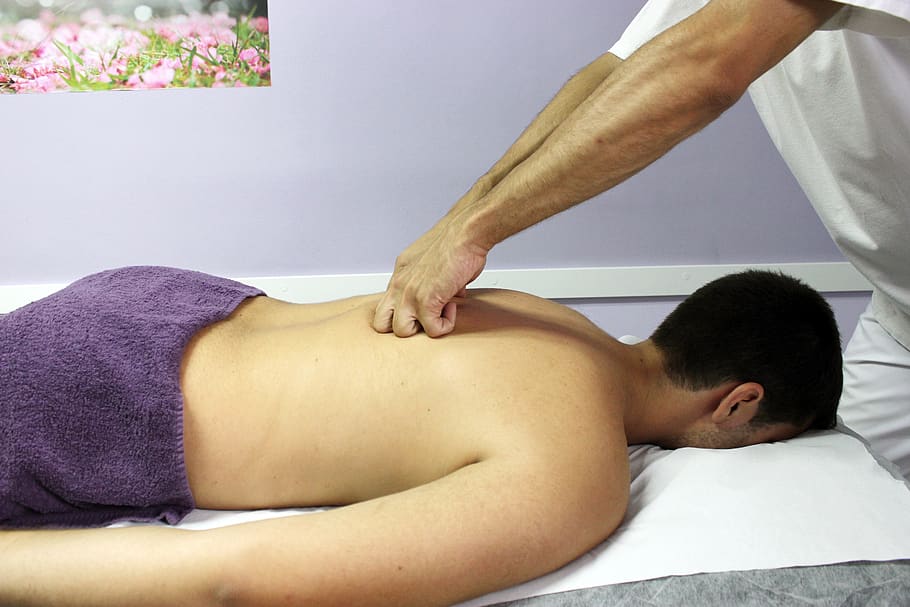
Combining massage with acupressure, this method provides both muscle relaxation and stimulation of key acupoints, enhancing overall wellness.
Health Benefits of Acupressure
Acupressure has been studied for a wide range of physical and mental health benefits. While research is ongoing, several evidence-backed outcomes have been observed:
Pain Management
Acupressure is particularly effective in managing chronic pain conditions, including:
- Headaches and migraines: Targeting points like LI4 (between the thumb and index finger) can reduce headache intensity.
- Back and neck pain: Stimulating back and shoulder acupoints helps relieve muscular tension.
- Joint discomfort: Pressure on specific acupoints can decrease inflammation and improve joint mobility.
Stress and Anxiety Reduction
Acupressure has been shown to lower cortisol levels, helping to reduce stress and anxiety. Regular sessions can promote relaxation, improve sleep quality, and enhance emotional well-being.
Digestive Health
Certain acupoints, such as those located on the abdomen or along the stomach meridian, support digestive function. Acupressure can relieve constipation, bloating, and nausea.
Immune System Support
By improving circulation and promoting lymphatic flow, acupressure may bolster the immune system, enhancing the body’s ability to fight infections.
Women’s Health
Acupressure has been beneficial for menstrual discomfort, labor pain, and menopausal symptoms. Specific points are targeted to regulate hormonal balance and ease cramps.
Improved Sleep Quality
Acupressure can activate the parasympathetic nervous system, promoting relaxation and deeper sleep patterns. Points such as HT7 (on the wrist) are commonly used for insomnia relief.
Acupressure for Self-Care
One of acupressure’s greatest advantages is its accessibility. Many people can safely perform basic acupressure at home:
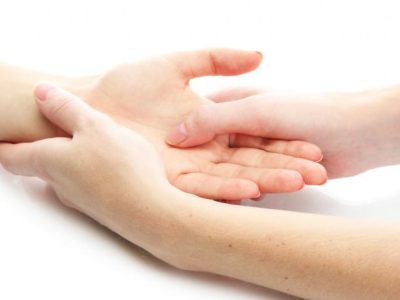
- Hand and wrist points: Relieve tension and stress, especially for office workers.
- Foot points: Stimulate overall energy flow and support relaxation.
- Neck and shoulder points: Ease tension headaches and improve posture-related discomfort.
When performing self-acupressure:
- Apply firm but gentle pressure using fingers, knuckles, or thumbs.
- Maintain pressure for 1–3 minutes per point.
- Focus on slow, deep breathing to maximize relaxation.
- Avoid acupoints on areas with open wounds, fractures, or severe inflammation.
Modern Research and Scientific Perspective
Scientific research into acupressure has grown, particularly in areas of pain management, stress reduction, and postoperative recovery. Studies suggest that acupressure may:
- Increase blood flow and oxygenation in treated areas.
- Trigger neurological responses that reduce pain perception.
- Influence autonomic nervous system activity, promoting relaxation.
Although further research is necessary to fully understand the mechanisms, existing evidence supports acupressure as a complementary therapy alongside conventional medical treatments.
Safety and Considerations
Acupressure is generally safe when applied correctly. However, certain precautions should be taken:
- Consult a healthcare provider before starting acupressure if you are pregnant, have cardiovascular conditions, or suffer from severe chronic illnesses.
- Avoid deep pressure on broken skin, bruises, or inflamed areas.
- Use caution with elderly individuals or those with fragile bones.
- Seek professional guidance for serious conditions rather than relying solely on self-treatment.
Integrating Acupressure into Daily Life
Incorporating acupressure into daily wellness routines can be highly effective:
- Morning energy boost: Stimulate points on the hands and feet to invigorate circulation.
- Midday stress relief: Apply pressure to neck and shoulder points during work breaks.
- Evening relaxation: Use gentle acupressure on wrist and ear points to unwind before sleep.
Pairing acupressure with mindfulness practices, yoga, or gentle stretching can further enhance its benefits.
Frequently Asked Questions About Acupressure
1. Can acupressure replace conventional medicine?
Acupressure is a complementary therapy and should not replace medical treatment for serious conditions. It is best used alongside conventional care to support healing and wellness.
2. How often should I practice acupressure?
Frequency depends on individual needs. For stress relief, daily sessions of 10–15 minutes may suffice, while chronic pain management may require 2–3 sessions per week with professional guidance.
3. Are there side effects?
Side effects are rare but may include temporary soreness, minor bruising, or mild fatigue following sessions. Applying moderate pressure and proper technique minimizes risk.
4. Can children benefit from acupressure?
Yes, gentle acupressure can help children with stress, sleep difficulties, or mild digestive issues. Pressure should always be lighter and monitored closely.
5. How long until I notice results?
Some benefits, such as relaxation and stress relief, may be felt immediately. Chronic conditions may require consistent sessions over several weeks to observe noticeable improvement.
6. Are there certifications for acupressure practitioners?
Yes, accredited training programs and certifications are available for those seeking professional expertise. Licensed practitioners often have a background in TCM or holistic therapy.
7. Is acupressure effective for mental health?
Acupressure can complement mental health strategies by reducing stress, anxiety, and tension. While not a substitute for psychotherapy or medication, it supports emotional well-being.
Conclusion
Acupressure represents a unique blend of ancient wisdom and modern wellness practice. Its ability to address physical discomfort, emotional stress, and overall energy balance makes it a versatile and accessible therapeutic option. By understanding the principles, techniques, and scientific support behind acupressure, individuals can harness its benefits safely and effectively. Integrating acupressure into daily routines promotes holistic health, resilience, and a deeper connection to one’s body and mind.
Acupressure continues to evolve as research expands, offering promising opportunities for both preventive care and complementary therapy. For anyone seeking a non-invasive, natural approach to wellness, acupressure provides a proven, adaptable, and empowering path toward better health.