
 By
By Acupressure is a time-tested healing practice rooted in traditional Eastern medicine. It focuses on stimulating specific points on the body using fingers, palms, or gentle tools to encourage the body’s natural self-healing abilities. Unlike invasive therapies, acupressure relies purely on touch, making it accessible, safe, and easy to integrate into daily life.
What Is Acupressure?
Acupressure is based on the concept that life energy (often called “Qi”) flows through pathways in the body. When this flow is disrupted, discomfort or illness may arise. By applying pressure to targeted points, acupressure helps restore balance, ease tension, and promote overall wellness.
Key Principles of Acupressure
-
Focuses on energy pathways throughout the body
-
Uses steady, controlled pressure instead of needles
-
Encourages natural healing and relaxation
-
Can be practiced professionally or as self-care
How Acupressure Works
Acupressure works by stimulating nerve endings and improving circulation around specific points. This stimulation may help release endorphins, reduce muscle tightness, and calm the nervous system. Many people report immediate sensations of warmth, tingling, or relaxation during a session.
Common Acupressure Points and Their Uses
Popular Pressure Points
-
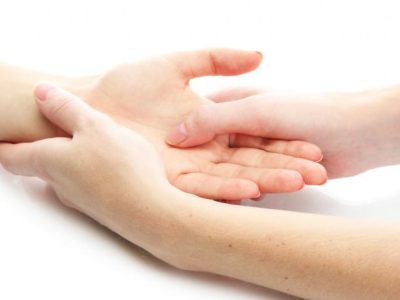
LI4 (Hand Point): Often used for headaches, stress, and facial tension
-
LV3 (Foot Point): Helps with emotional balance and irritability
-
ST36 (Below Knee): Supports digestion and boosts energy
-
PC6 (Inner Wrist): Commonly used for nausea and anxiety
Applying gentle but firm pressure for 30–90 seconds while breathing deeply is usually sufficient.
Benefits of Acupressure
Acupressure is valued for its wide-ranging benefits, both physical and mental.
Potential Benefits Include
-
Relief from headaches and migraines
-
Reduced stress and anxiety
-
Improved sleep quality
-
Support for digestive health
-
Easing muscle pain and stiffness
-
Enhanced overall relaxation and focus
While results vary from person to person, consistency often leads to better outcomes.
Acupressure vs. Acupuncture
Although they share the same theoretical foundation, the techniques differ.
-
Acupressure: Uses fingers and hands, non-invasive, ideal for self-care
-
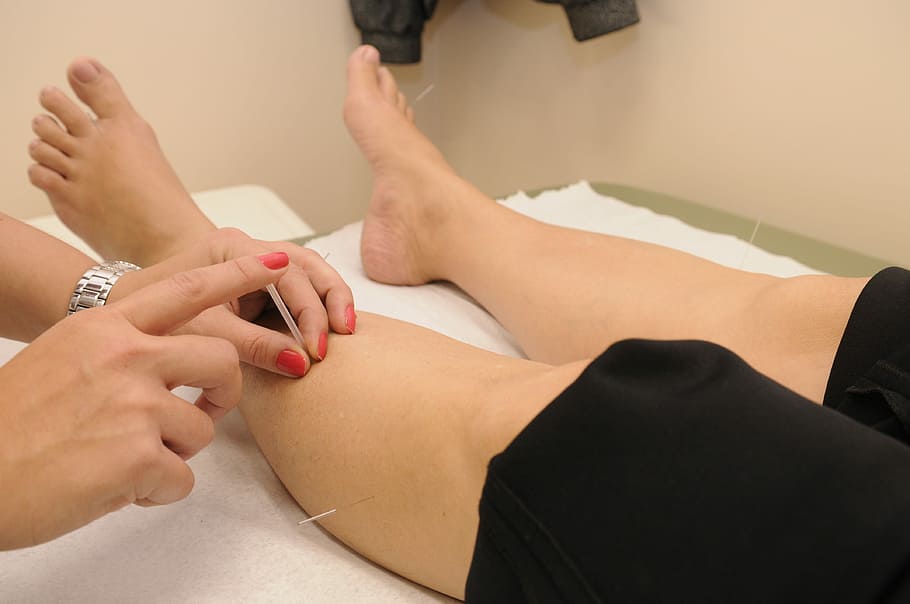
Acupuncture: Uses fine needles, performed by trained practitioners
Both aim to restore balance, but acupressure is often preferred by those seeking a needle-free approach.
Is Acupressure Safe?
Acupressure is generally considered safe for most people when performed correctly. However, pressure should be avoided on injured areas, inflamed skin, or during certain stages of pregnancy unless guided by a qualified professional. Listening to your body and stopping if discomfort arises is essential.
How to Practice Acupressure at Home
Starting acupressure at home is simple and requires no special equipment.
Basic Steps
-
Sit or lie in a comfortable position
-
Locate the desired pressure point
-
Apply firm, steady pressure using your thumb or fingers
-
Breathe slowly and deeply
-
Release gently and repeat if needed
Regular practice can turn acupressure into a calming daily ritual.
Frequently Asked Questions (FAQ)
1. How long does it take for acupressure to work?
Some people feel relief immediately, while others notice gradual improvement after consistent practice over several days or weeks.
2. Can acupressure be done every day?
Yes, acupressure can be practiced daily as long as pressure is gentle and does not cause pain or bruising.
3. Is acupressure suitable for children?
Acupressure can be used on children with lighter pressure and age-appropriate techniques, ideally under guidance.
4. Can acupressure replace medical treatment?
Acupressure is best used as a complementary approach, not a replacement for professional medical care.
5. Do I need training to practice acupressure?
Basic techniques can be learned easily, but advanced or therapeutic applications benefit from proper training.
6. Can acupressure help with emotional stress?
Yes, many people use acupressure to promote relaxation and emotional balance.
7. Are there any side effects of acupressure?
Side effects are rare but may include temporary soreness or fatigue after a session.