 By
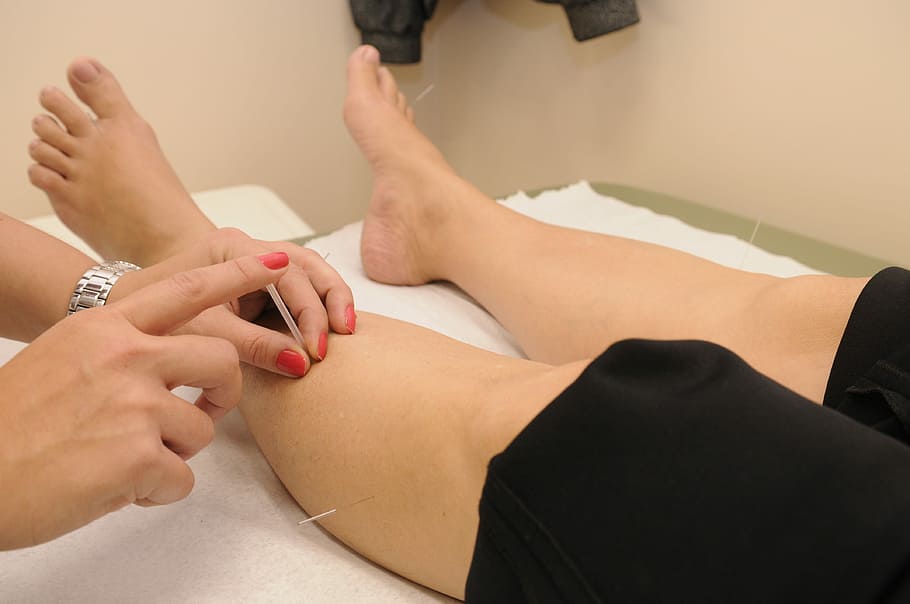
By Acupressure is an ancient therapeutic practice rooted in Traditional Chinese Medicine (TCM) that focuses on applying pressure to specific points on the body to stimulate natural healing processes. Unlike acupuncture, which uses needles, acupressure relies solely on the hands, fingers, elbows, or specialized tools to relieve tension, improve circulation, and restore the body’s balance. This holistic therapy is gaining increasing recognition in the United States and worldwide for its ability to address a wide range of physical, emotional, and mental health concerns.
Acupressure has been used for thousands of years to promote wellness, reduce pain, and support the body’s innate ability to heal itself. By targeting meridian points, which are believed to correspond to various organs and systems in the body, practitioners can influence energy flow, or “Qi,” encouraging the body to operate in a state of balance and harmony. Modern research continues to explore the physiological effects of acupressure, such as enhancing circulation, releasing endorphins, and reducing stress hormones.
Understanding the Principles of Acupressure
Acupressure is grounded in several key principles derived from TCM:
- Qi and Energy Flow: Qi is considered the vital life force that circulates through the body’s meridians. Blockages or imbalances in Qi can lead to illness or discomfort. Applying pressure to specific acupoints helps restore the natural flow of energy.
- Meridian System: The body contains 12 primary meridians connected to major organs, along with several secondary meridians. Each acupoint along these channels corresponds to specific physiological functions.
- Balance and Homeostasis: Acupressure aims to restore balance between yin and yang energies, which is believed to support overall health and prevent disease.
- Self-Healing Mechanism: By stimulating acupoints, acupressure encourages the body to activate its natural healing responses, including improved blood flow, reduced muscle tension, and hormonal regulation.
Health Benefits of Acupressure
Acupressure offers a wide array of benefits that extend beyond simple relaxation. Evidence-based research supports its use for various conditions:
Pain Relief
Acupressure is particularly effective for alleviating chronic pain conditions, such as:
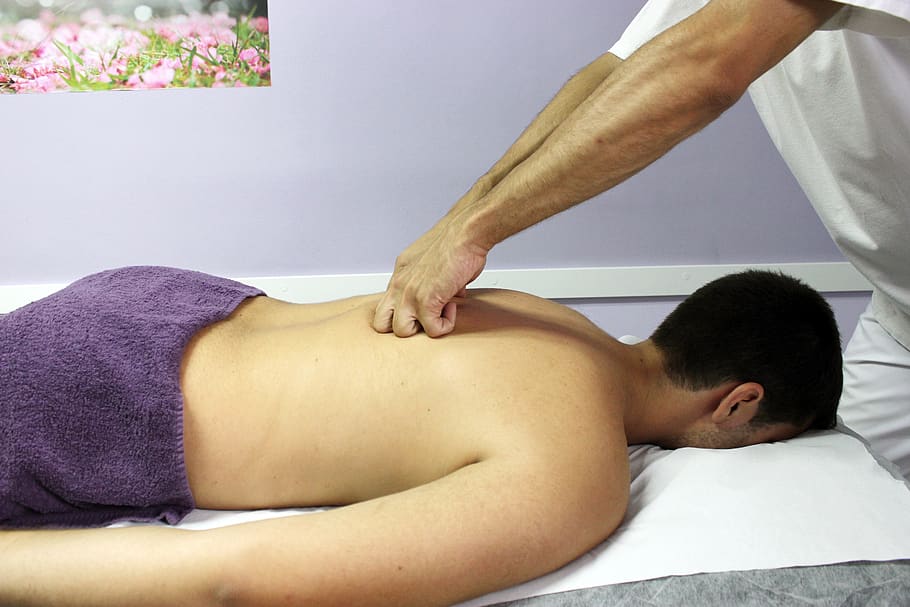
- Back and Neck Pain: Targeting acupoints along the spine and shoulders can reduce muscle tension and improve mobility.
- Headaches and Migraines: Pressure applied to points like LI4 (Hegu) and GB20 (Fengchi) can relieve tension and reduce headache severity.
- Joint and Arthritis Pain: Regular acupressure can improve circulation and decrease inflammation in affected joints.
Stress Reduction and Mental Wellness
Acupressure has a calming effect on the nervous system, making it beneficial for mental health:
- Lowering Stress Hormones: Studies suggest that acupressure can reduce cortisol levels, promoting relaxation and mental clarity.
- Alleviating Anxiety and Depression: By stimulating endorphin release, acupressure can enhance mood and reduce symptoms of mild depression or anxiety.
- Improving Sleep Quality: Targeting specific acupoints like HT7 (Shenmen) can support deeper, more restorative sleep.
Digestive and Internal Health
Acupressure can positively influence internal organ function and digestive health:
- Relieving Nausea and Motion Sickness: P6 (Neiguan) is widely used to alleviate nausea associated with pregnancy, chemotherapy, or travel.
- Supporting Digestive Function: Stimulating points along the Stomach and Spleen meridians can enhance digestion and reduce bloating or constipation.
- Boosting Immune Function: Regular acupressure sessions may strengthen immunity by promoting lymphatic circulation and balancing energy flow.
Enhanced Circulation and Physical Performance
Athletes and individuals with sedentary lifestyles can benefit from acupressure:
- Improved Blood Flow: Gentle pressure encourages circulation, which can enhance nutrient and oxygen delivery to tissues.
- Muscle Recovery and Flexibility: Acupressure can alleviate delayed-onset muscle soreness (DOMS) and support muscle relaxation.
- Energy Boosting: Stimulating specific points can increase vitality and reduce fatigue.
Techniques and Methods in Acupressure
Acupressure can be performed by professionals or as a self-care practice. There are several recognized techniques:
Finger Pressure
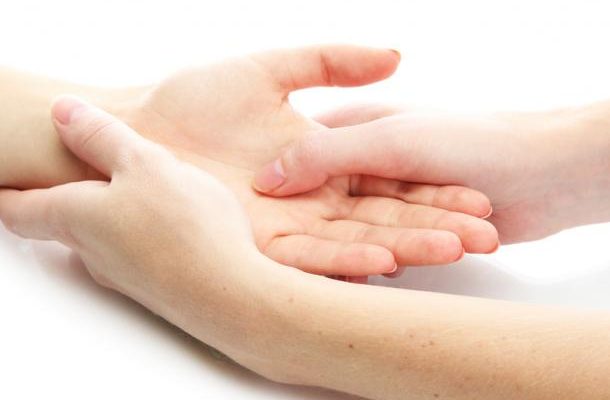
Using the thumb, index, or middle finger to apply steady pressure to specific points. Pressure is typically firm but not painful and held for 30 seconds to several minutes.
Palm and Elbow Pressure
For larger muscle groups or deeper tension, practitioners may use the palm, forearm, or elbow to apply more substantial pressure, often combined with circular or tapping motions.
Tapping and Vibrational Techniques
Light tapping or vibration stimulates points without deep pressure, useful for sensitive areas or relaxation-focused sessions.
Self-Acupressure
Individuals can learn to target common points such as LI4 for headaches or P6 for nausea. Self-acupressure encourages daily wellness routines and complements professional treatments.
Safety Considerations and Precautions
While acupressure is generally safe, certain precautions should be observed:
- Pregnancy: Some points can induce uterine contractions, so professional guidance is essential.
- Injuries and Fractures: Avoid applying pressure directly to broken bones, severe bruises, or inflamed joints.
- Chronic Illness: Consult a healthcare provider if you have cardiovascular, kidney, or liver conditions before starting acupressure.
- Technique and Duration: Excessive or aggressive pressure can cause bruising or discomfort. A balanced, gentle approach is recommended.
Acupressure in Modern Healthcare
Acupressure has gained recognition as a complementary therapy in integrative medicine:
- Hospitals and Clinics: Some facilities use acupressure to alleviate post-operative nausea, reduce anxiety, or support pain management.
- Physical Therapy and Rehabilitation: Acupressure is incorporated into recovery programs to enhance flexibility, reduce muscle tension, and promote circulation.
- Mental Health Programs: Wellness centers often include acupressure sessions for stress management, mindfulness, and emotional support.
Popular Acupressure Points and Their Uses
Here are some widely practiced acupressure points:
- LI4 (Hegu): Located between the thumb and index finger, effective for headaches, stress, and facial pain.
- P6 (Neiguan): On the inner forearm, three finger-widths from the wrist crease; alleviates nausea and anxiety.
- ST36 (Zusanli): Just below the knee, promotes energy, digestion, and immune support.
- SP6 (Sanyinjiao): On the inner lower leg, supports reproductive health, digestion, and sleep.
- GB20 (Fengchi): At the base of the skull, reduces headaches, neck stiffness, and eye strain.
Integrating Acupressure Into Daily Life
To maximize the benefits of acupressure, consider incorporating it into your daily routine:
- Morning Energy Boost: Stimulate ST36 and LI4 to increase alertness and vitality.
- Midday Stress Relief: Use P6 and SP6 points to release tension and reduce anxiety.
- Evening Relaxation: Apply gentle pressure to HT7 and SP6 for improved sleep quality.
- Preventive Care: Regular self-acupressure sessions can support overall wellness and prevent minor ailments from escalating.
Tools to Enhance Practice
- Acupressure Mats: Stimulate multiple points simultaneously to promote circulation and relaxation.
- Massage Balls and Rollers: Target deeper tissues or trigger points.
- Instructional Guides and Apps: Offer diagrams, techniques, and timing recommendations for self-practice.
Evidence Supporting Acupressure
Recent scientific studies underscore the effectiveness of acupressure:
- Pain Management: Clinical trials indicate that acupressure reduces chronic neck pain, lower back pain, and osteoarthritis discomfort.
- Nausea Control: Research demonstrates that P6 stimulation significantly reduces chemotherapy-induced nausea and postoperative nausea.
- Mental Health: Studies show acupressure lowers stress levels, improves mood, and supports sleep quality.
- Physiological Benefits: Evidence suggests improved circulation, lowered blood pressure, and enhanced immune response through regular acupressure.
Conclusion
Acupressure is a powerful, natural therapy that supports physical, mental, and emotional wellness. By stimulating specific points on the body, individuals can experience pain relief, stress reduction, improved circulation, and enhanced overall health. Whether practiced under professional guidance or as a self-care routine, acupressure integrates seamlessly into daily life and complements modern medical treatments.
FAQs About Acupressure
1. Can I practice acupressure on myself at home?
Yes, many acupressure points can be safely stimulated at home. Start with simple points like LI4 for headaches or P6 for nausea, using gentle, steady pressure for 30–60 seconds.
2. How often should acupressure be performed?
For preventive care or stress management, daily or every-other-day sessions are effective. For acute pain or specific conditions, consult a professional for a tailored schedule.
3. Is acupressure painful?
Acupressure should not cause pain. Firm pressure may be uncomfortable initially, but it should not be sharp or unbearable. Adjust pressure according to tolerance.
4. Are there any risks associated with acupressure?
Acupressure is generally safe but should be avoided over broken bones, inflamed areas, or certain acupoints during pregnancy. Individuals with chronic illnesses should consult a healthcare provider before starting.
5. How does acupressure differ from acupuncture?
While both therapies target the same meridian points, acupuncture uses fine needles, whereas acupressure relies on pressure applied by fingers, hands, or tools.
6. Can acupressure help with anxiety and insomnia?
Yes, stimulating points like HT7 and SP6 has been shown to reduce stress, promote relaxation, and improve sleep quality. Regular practice enhances mental clarity and emotional balance.
7. Do I need special tools to practice acupressure effectively?
No, finger or hand pressure is sufficient for most points. However, mats, rollers, or massage balls can enhance stimulation and comfort for larger areas or deeper tissue work.
This comprehensive guide demonstrates how acupressure is a versatile, accessible, and evidence-backed practice that can be integrated into daily wellness routines for enhanced physical and mental health.