
 By
By Misinformation about dental care is everywhere—passed down through families, shared online, or assumed to be true because it sounds logical. Unfortunately, many of these common dental myths can quietly damage your teeth and gums over time. Understanding what’s true and what’s not is one of the simplest ways to protect your oral health for life.
Below, we break down the most harmful dental myths, explain why they’re wrong, and share what you should do instead.
Myth 1: Brushing Harder Means Cleaner Teeth
Many people believe that applying more pressure while brushing removes more plaque. In reality, brushing too hard does more harm than good.
Hard brushing can:
-
Wear down tooth enamel
-
Cause gum recession
-
Increase tooth sensitivity
The truth: Gentle, circular motions with a soft-bristled toothbrush are far more effective. Plaque is soft and doesn’t require aggressive scrubbing to remove.
Myth 2: If Your Gums Bleed, You Should Stop Flossing
Bleeding gums often scare people away from flossing, but this reaction is based on a misunderstanding.
Bleeding usually indicates:
-
Gum inflammation
-
Early-stage gum disease
-
Plaque buildup between teeth
The truth: You should floss more consistently, not less. Daily flossing helps reduce inflammation, and bleeding often stops within a week when gums become healthier.
Myth 3: Sugar Is the Only Cause of Cavities
Sugar gets most of the blame for tooth decay, but it’s only part of the story.
Other cavity contributors include:
-
Acidic foods and drinks
-
Frequent snacking
-
Poor oral hygiene
-
Dry mouth
The truth: Cavities form when bacteria feed on carbohydrates and produce acids that erode enamel. Even foods like bread, crackers, and fruit can contribute if oral hygiene is lacking.
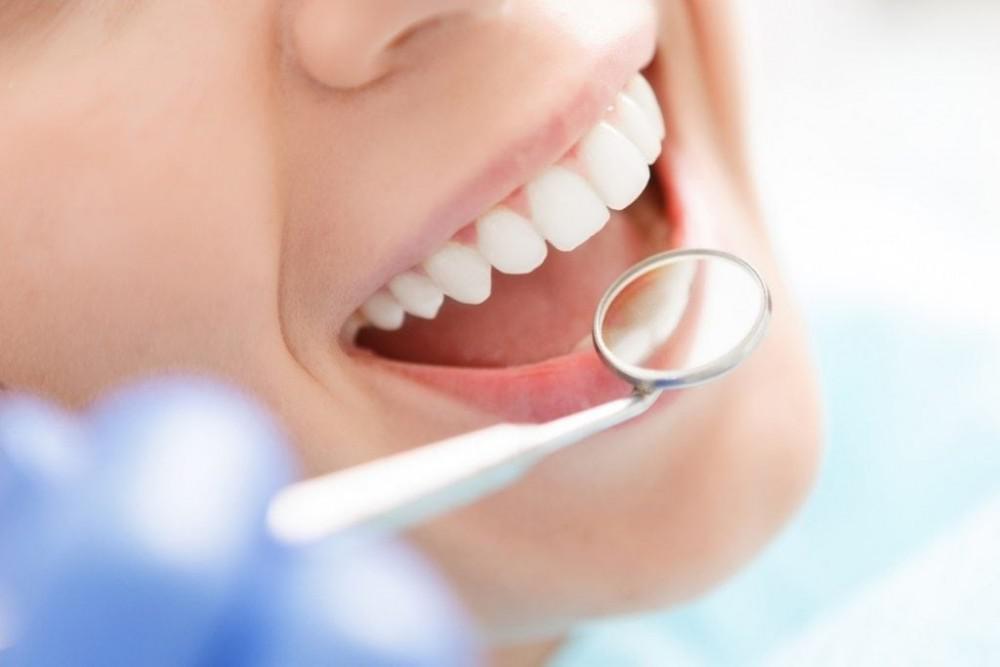
Myth 4: White Teeth Are Always Healthy Teeth
Bright white teeth are often associated with good oral health, but appearances can be misleading.
Teeth can look white while still having:
-
Cavities
-
Weak enamel
-
Gum disease below the surface
The truth: Tooth color alone doesn’t indicate health. Strong enamel, healthy gums, and regular dental checkups matter far more than shade.
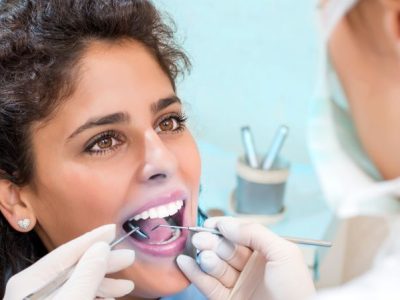
Myth 5: You Don’t Need to See a Dentist If Nothing Hurts
Pain is often a late-stage symptom of dental problems. By the time something hurts, the issue may already be advanced.
Problems that may be painless early on:
-
Cavities
-
Gum disease
-
Oral infections
The truth: Routine dental visits help catch issues early, saving you discomfort, time, and money in the long run.
Myth 6: Baby Teeth Don’t Matter Because They Fall Out
This myth can lead to serious long-term consequences for children.
Healthy baby teeth are essential for:
-
Proper chewing and nutrition
-
Speech development
-
Guiding permanent teeth into place
The truth: Neglecting baby teeth increases the risk of infections and alignment issues later in life.
Myth 7: Mouthwash Can Replace Brushing and Flossing
Mouthwash is often marketed as a powerful solution, but it’s not a substitute for mechanical cleaning.
Mouthwash:
-
Freshens breath
-
Reduces bacteria temporarily
-
Does not remove plaque
The truth: Mouthwash works best as an addition to brushing and flossing, not a replacement.
How to Protect Your Oral Health the Right Way
Instead of relying on myths, focus on evidence-based habits:
-
Brush twice daily with fluoride toothpaste
-
Floss once a day
-
Limit sugary and acidic foods
-
Drink plenty of water
-
Visit your dentist regularly
Small, consistent actions make the biggest difference over time.
Frequently Asked Questions (FAQ)
1. Is it bad to brush your teeth immediately after eating?
Yes, especially after acidic foods. Waiting 30 minutes allows enamel to re-harden and reduces erosion.
2. Can chewing gum replace brushing?
No. Sugar-free gum can help stimulate saliva but cannot remove plaque or replace brushing.
3. Are natural or DIY toothpastes safer than regular ones?
Not always. Many lack fluoride, which is essential for cavity prevention.
4. Does using a straw really protect your teeth?
It can help reduce contact with acidic drinks, but it doesn’t eliminate all risks.
5. Is tooth sensitivity always a sign of a serious problem?
Not necessarily, but persistent sensitivity should be evaluated to rule out enamel loss or gum issues.
6. Can poor oral health affect overall health?
Yes. Gum disease has been linked to conditions like heart disease and diabetes.
7. How often should toothbrushes be replaced?
Every three to four months, or sooner if bristles become frayed.