 By
By Dental health is a cornerstone of overall well-being, influencing not only how we eat and speak but also our confidence and systemic health. Advances in modern dentistry, combined with a growing understanding of oral hygiene, have transformed how people approach dental care. From preventive practices to cutting-edge treatments, maintaining optimal oral health is more accessible and effective than ever.
Dental care encompasses a wide spectrum of practices, including preventive measures, diagnostic procedures, restorative treatments, cosmetic enhancements, and specialized interventions for complex conditions. By understanding the principles behind these practices and incorporating evidence-based strategies into daily routines, individuals can significantly reduce the risk of oral disease, enhance aesthetic appeal, and preserve long-term function.
Understanding Dental Health
Dental health refers to the condition of teeth, gums, and the entire oral cavity. Poor oral hygiene can lead to cavities, gum disease, tooth loss, and systemic issues such as cardiovascular disease and diabetes. Key components of dental health include:
- Teeth: Composed of enamel, dentin, and pulp, teeth are susceptible to decay, fractures, and sensitivity. Proper care preserves their structure and function.
- Gums (Gingiva): Healthy gums are firm and pink, supporting teeth and preventing bacterial invasion. Inflammation can lead to gingivitis and periodontitis.
- Oral Microbiome: The mouth contains billions of bacteria. Maintaining a balance between beneficial and harmful microbes is essential for preventing infection and maintaining oral immunity.
Preventive Dental Practices
Preventive care is the foundation of dental health, aiming to avert disease before it occurs. Evidence-backed preventive strategies include:
Daily Oral Hygiene
- Brushing: Twice-daily brushing with fluoride toothpaste helps remove plaque and prevent cavities. Using a soft-bristled brush and proper technique reduces enamel abrasion.
- Flossing: Daily flossing removes plaque and food debris from interdental spaces, preventing gum disease and interproximal decay.
- Mouthwash: Antimicrobial or fluoride-containing rinses reduce bacterial load and strengthen enamel.
Nutrition and Lifestyle
- Balanced Diet: Diets rich in calcium, vitamin D, and phosphorus support tooth and bone health. Limiting sugary and acidic foods reduces the risk of decay.
- Hydration: Water stimulates saliva, which naturally cleanses teeth and neutralizes acids.
- Avoiding Tobacco: Smoking and chewing tobacco significantly increase the risk of gum disease, oral cancer, and tooth loss.
Regular Dental Visits
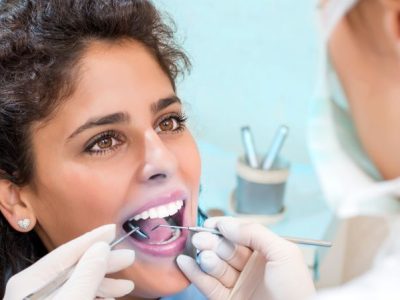
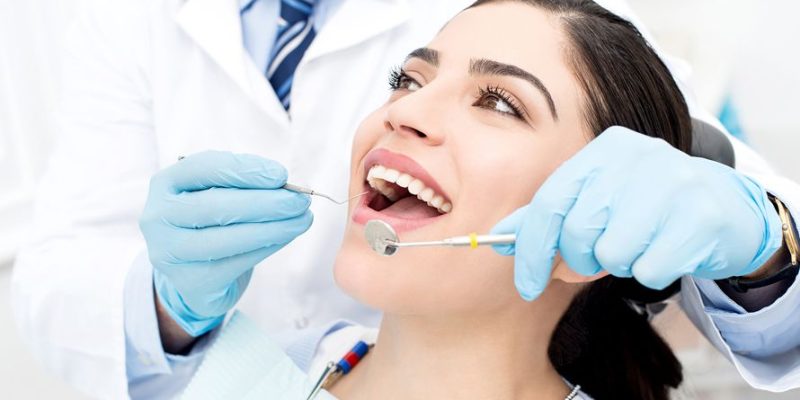
- Examinations: Routine check-ups allow early detection of cavities, gum issues, and oral cancers.
- Professional Cleaning: Scaling and polishing remove hardened plaque (tartar) and reduce inflammation.
- Diagnostic Imaging: X-rays and scans detect issues beneath the surface, including impacted teeth, cysts, and bone abnormalities.
Common Dental Issues and Treatments
Dental problems range from minor discomfort to serious oral diseases. Understanding common conditions and available treatments can empower patients to take proactive steps.
Cavities and Tooth Decay
Cavities result from the demineralization of tooth enamel due to bacterial acids. Treatment includes:
- Fillings: Composite or amalgam fillings restore function and aesthetics.
- Crowns: For extensive decay, crowns protect the remaining tooth structure.
- Preventive Sealants: Dental sealants provide a protective barrier, especially on molars prone to decay.
Gum Disease
Gingivitis and periodontitis arise from plaque accumulation and chronic inflammation. Treatments vary by severity:
- Scaling and Root Planing: Deep cleaning removes plaque and tartar below the gumline.
- Antimicrobial Therapy: Topical or systemic antibiotics control infection.
- Surgical Intervention: Advanced cases may require flap surgery or bone grafting to restore gum and bone support.
Tooth Sensitivity
Exposed dentin or enamel erosion can cause sharp pain. Management strategies include:
- Desensitizing Toothpaste: Contains compounds that block nerve pathways.
- Fluoride Treatments: Strengthen enamel and reduce sensitivity.
- Restorative Options: Bonding or crowns protect exposed areas.
Orthodontic Concerns
Misaligned teeth affect oral function, aesthetics, and hygiene. Modern solutions include:
- Braces: Metal or ceramic braces gradually correct alignment.
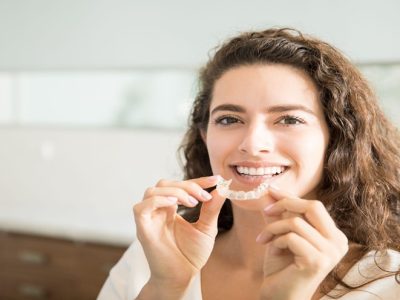
- Clear Aligners: Removable, transparent aligners provide discreet treatment.
- Retainers: Maintain tooth position post-treatment.
Cosmetic Dentistry
Enhancing the appearance of teeth can boost self-confidence and overall well-being. Popular procedures include:
- Teeth Whitening: Professional whitening removes stains and improves brightness.
- Veneers: Thin porcelain or composite shells correct shape, color, or minor misalignments.
- Bonding: Restores chipped or discolored teeth with composite resin.
Endodontic Treatments
Root canal therapy addresses infection within the tooth pulp, saving teeth that would otherwise require extraction. The procedure involves cleaning, disinfecting, and sealing the internal canals.
Oral Surgery
Advanced dental issues may require surgical intervention, including:
- Wisdom Tooth Extraction: Prevents impaction, crowding, or infection.
- Dental Implants: Replace missing teeth with titanium posts supporting crowns.
- Bone Grafting: Supports implants or repairs jawbone loss.
Technological Advances in Dentistry
Modern dentistry integrates technology to improve accuracy, comfort, and outcomes. Key innovations include:
- Digital Imaging: High-resolution 3D scans and digital X-rays reduce exposure and enhance diagnosis.
- Laser Dentistry: Minimally invasive laser procedures treat gum disease, decay, and soft tissue lesions with precision.
- CAD/CAM Technology: Computer-aided design and manufacturing create custom restorations faster and more accurately.
- Tele-dentistry: Virtual consultations increase accessibility and convenience for preventive care and follow-up.
Dental Care for Different Life Stages
Oral health needs vary across the lifespan:
Children
- Early oral care prevents decay and supports proper jaw development.
- Fluoride treatments and sealants are essential preventive measures.
- Teaching proper brushing and flossing habits establishes lifelong routines.
Adolescents
- Orthodontic assessment is crucial during growth phases.
- Awareness of sugary foods and sports drinks helps prevent cavities.
Adults
- Maintaining gum health and preventing tooth loss is key.
- Cosmetic procedures and restorative care may be more frequently required.
Seniors
- Increased risk of gum disease, tooth loss, and dry mouth.
- Dentures, implants, and regular monitoring help preserve oral function.
Integrating Dental Care with Overall Health
Oral health is closely linked to systemic conditions. Research indicates connections between poor dental health and:
- Cardiovascular Disease: Chronic gum inflammation may contribute to atherosclerosis.
- Diabetes: Gum disease can worsen blood sugar control, while diabetes increases oral infection risk.
- Respiratory Conditions: Oral bacteria may be aspirated into the lungs, increasing infection risk.
- Pregnancy Outcomes: Periodontal disease is associated with preterm birth and low birth weight.
Maintaining dental health supports overall wellness, highlighting the importance of comprehensive care.
Frequently Asked Questions About Dental Health
1. How often should I visit the dentist?
Routine check-ups every six months are recommended, though individuals with specific conditions may require more frequent visits.
2. Is fluoride safe for children?
Yes, when used in appropriate amounts, fluoride strengthens enamel and prevents cavities. Supervision is necessary to avoid ingestion of excessive toothpaste.
3. Can I prevent gum disease at home?
Consistent brushing, flossing, and professional cleanings can prevent most gum disease cases. Lifestyle factors, such as avoiding smoking, also play a significant role.
4. Are dental X-rays harmful?
Modern digital X-rays emit minimal radiation and are considered safe, especially when used judiciously. Protective measures further reduce exposure.
5. Can cosmetic procedures damage teeth?
When performed by qualified professionals, procedures like veneers, bonding, and whitening are safe. Proper aftercare ensures long-term results.
6. What is the best toothpaste for sensitive teeth?
Desensitizing toothpaste with potassium nitrate or stannous fluoride is effective for reducing nerve sensitivity.
7. How can I maintain oral health during orthodontic treatment?
Special toothbrushes, interdental brushes, and floss threaders help clean around brackets and aligners effectively.
Conclusion
Dental health is an integral part of overall wellness, encompassing preventive care, therapeutic interventions, and cosmetic enhancements. By understanding the complexities of oral anatomy, adopting evidence-based practices, and leveraging modern dental technology, individuals can achieve lasting oral health, prevent disease, and maintain a confident smile.
Investing in dental care provides tangible benefits that extend beyond aesthetics, impacting systemic health, quality of life, and emotional well-being. Whether through routine hygiene practices, regular professional check-ups, or advanced restorative and cosmetic procedures, maintaining optimal dental health is a lifelong commitment that pays enduring rewards.